Ever wondered why one company’s ‘half-price sale’ still costs more than a local fitter’s full price? The answer usually lives in the gap between trade and retail. Trade prices are what an installer or fabricator pays for the frames and glass; retail prices are what you’re quoted once labour, overheads, guarantees and margin are added on. Neither is wrong — but knowing which is which stops you being dazzled by a discount off a number that was never real.
What ‘trade price’ actually covers
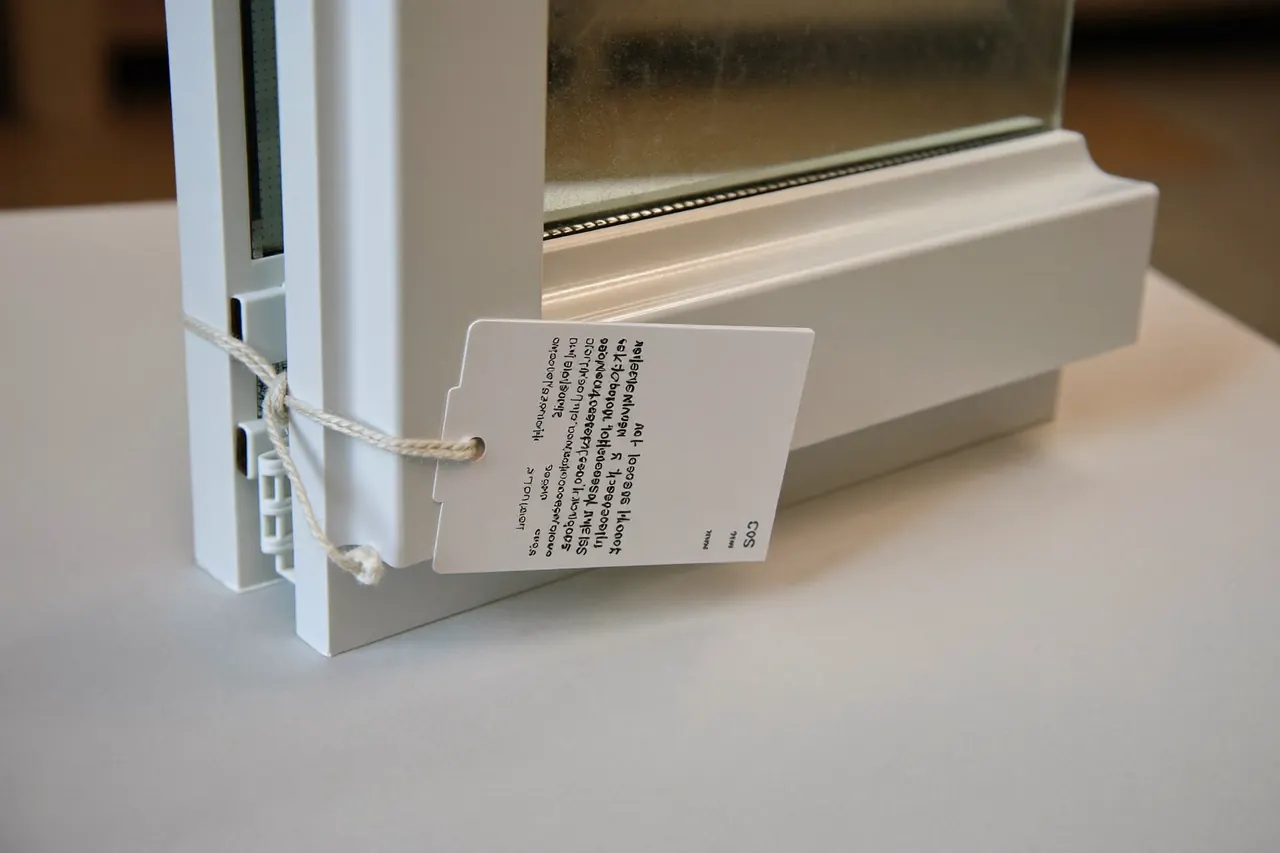
A trade price is the cost of the product alone: the manufactured frame, the sealed glass unit, the hardware. It usually assumes you’re a builder or fitter buying in volume, collecting or taking delivery, and doing everything else yourself — measuring, removing the old windows, fitting, sealing, plastering, disposing of waste and standing behind the guarantee. Buy ‘at trade’ as a homeowner and all of that is still your problem.
What the retail price adds
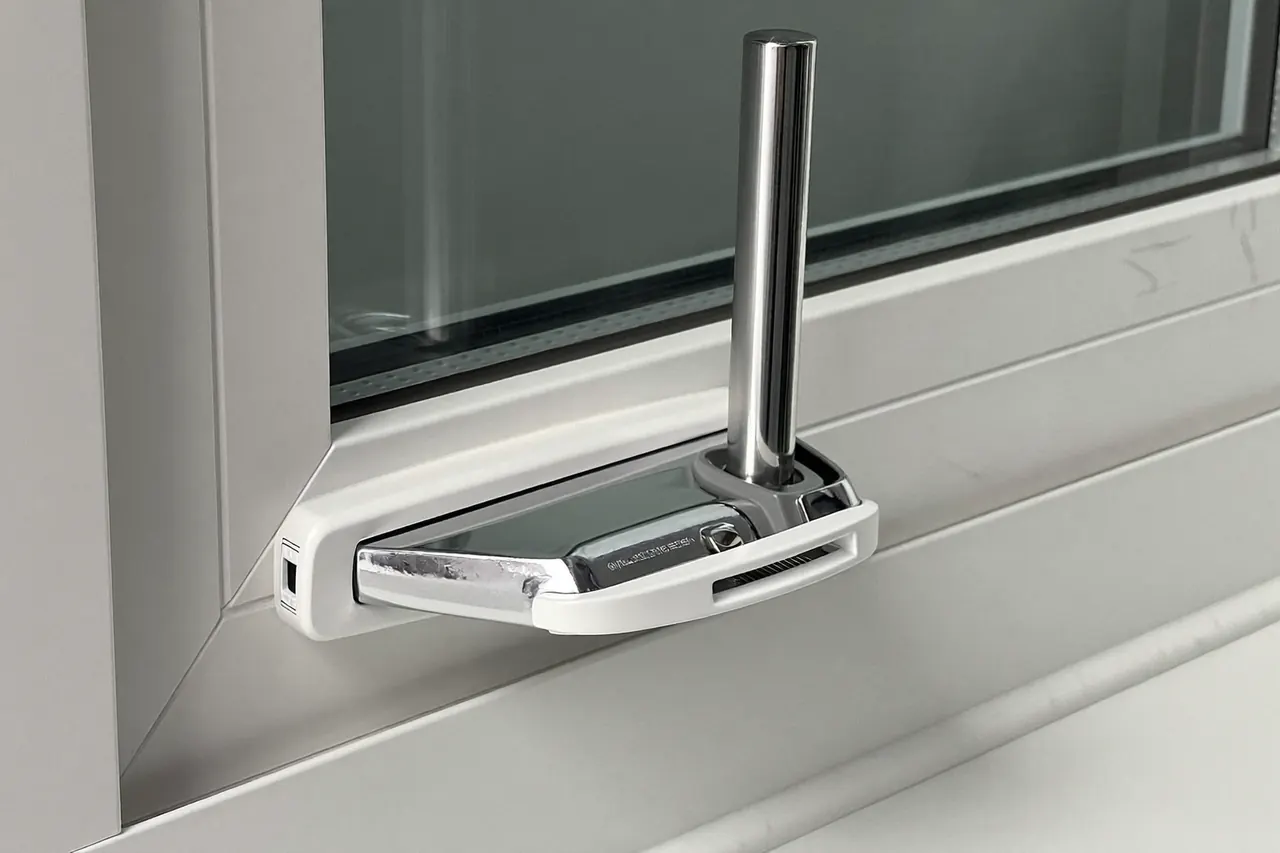
The retail quote wraps the product cost inside a finished, guaranteed job. You’re paying for accurate survey and measurement, skilled fitting, sealing and making good, waste removal, insurance-backed guarantees, and a company that’s accountable if something goes wrong years later. That’s genuine value — the trick is making sure the margin on top is reasonable, not inflated by a fictional ‘list price’ so a big discount can be theatrically knocked off.
See past the sticker price
The best way to judge margin is to compare like-for-like quotes. Share your postcode for free, no-obligation quotes from vetted installers — itemised, so you can see what you’re paying for.
Show me the deals →
Why chasing ‘trade only’ can backfire
It’s tempting to try to buy windows ‘at trade’ and fit them yourself, but the maths rarely works for a one-off homeowner. You lose bulk pricing, you carry the risk of a mis-measure, and a self-fit unit can void guarantees or fall foul of building regulations. Poorly fitted glazing also underperforms, which quietly erases any saving on the bills. Our guide on why cheap double glazing costs more covers exactly how those false economies play out.
How to compare fairly
Ignore the discount percentages and compare the finished, itemised price instead. Line each quote up against attributed typical ranges in our average UK prices guide, check the spec matches, and confirm what the guarantee covers. A fair retail quote sits sensibly inside those ranges without needing a dramatic ‘sale’ to get there — and the fair-deal checklist helps you confirm it.
Paying for the finished job
Because a proper retail installation bundles in the labour and guarantees, spreading the cost is common. There are funding routes if you’d rather spread the cost, and many firms offer pay-monthly window options, subject to eligibility and a home survey. And since a professionally fitted, efficient unit is where the running-cost savings come from, it’s worth reading up on how glazing tech lowers your bills and what energy-efficient windows can save — the Energy Saving Trust reports efficient glazing can reduce typical heating costs, depending on your home.
Compare finished prices, not discounts
Get free, no-obligation quotes from vetted installers and judge them on the itemised total — no fictional list prices, no pressure.
Show me the deals →